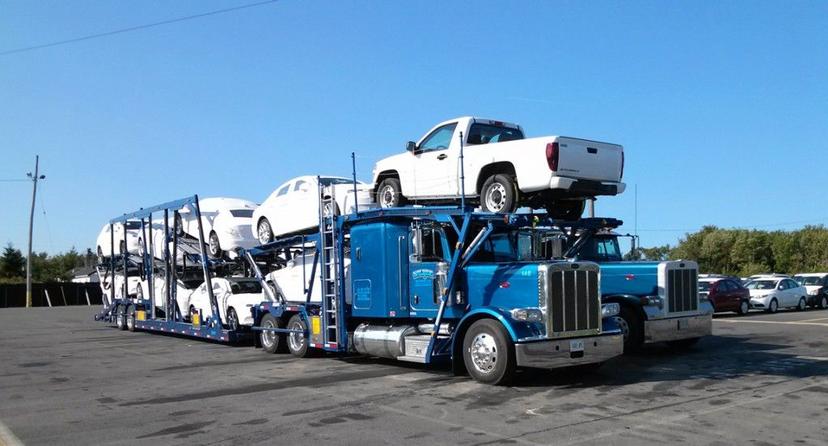


How to Ship an Electric Car: Battery, Weight and Charging Rules
How to ship an electric car safely: what charge level to leave, how EV weight affects price, transport mode tips and open vs enclosed. Read before booking.
Shipping an electric car is a lot like shipping any other car, with a few important differences. EVs are heavier, they have features that can fight being winched or towed, and the battery needs the right state of charge for the trip. Get those details wrong and you can end up with a dead car at delivery, a surprise fee, or a delay at pickup.
This guide covers what changes when you ship an EV: how much charge to leave, how weight affects your price, which settings to turn off, what to do with key cards, and when enclosed transport is worth it. If you already know your route, you can get an instant EV shipping quote and see a price range in under a minute.
Quick Answer: How Do You Ship an Electric Car?
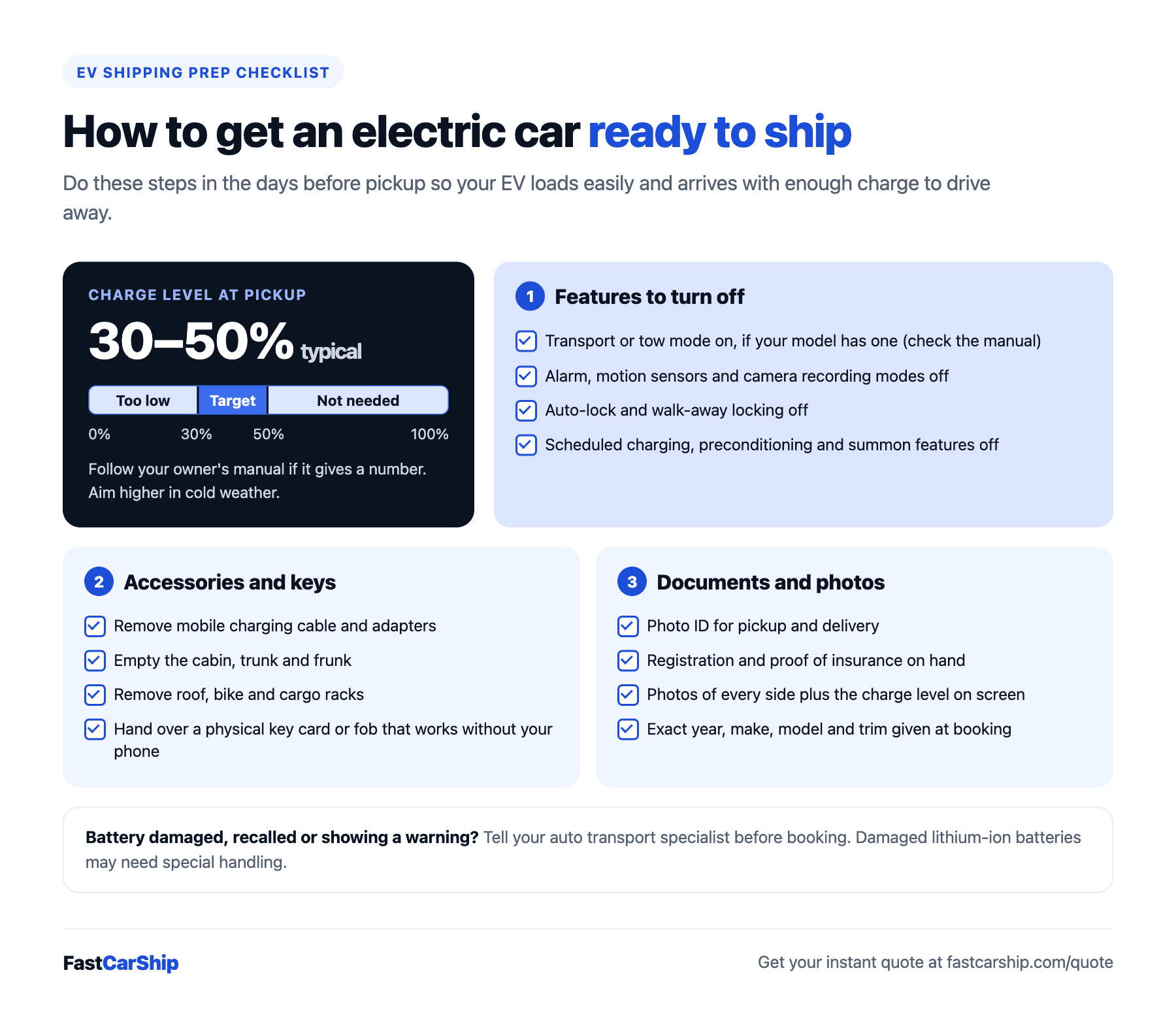
- Leave the battery at roughly 30–50% charge, or whatever your owner's manual recommends. Do not ship at 100% or near empty.
- Turn off features that resist loading, like alarms, auto-locking and anything that triggers when the car is moved. Tesla has a transport mode for this; check your owner's manual for your model.
- Tell your auto transport specialist the exact make, model and battery size. EVs are heavier than similar gas cars, which can affect how many fit on a truck and the price.
- Hand over a working key, key card or fob, and remove charging cables and adapters from the car unless you agree otherwise with the carrier.
How Shipping an EV Is Different From Shipping a Gas Car
The basic process is the same. You request a quote, a carrier is assigned, the driver inspects the car on the Bill of Lading at pickup, and you inspect it again at delivery. You can read each step on our how it works page.
What changes is the vehicle itself. Here is a side-by-side look.
| Factor | Gas Car | Electric Car |
|---|---|---|
| Fuel or charge at pickup | About 1/4 tank | Roughly 30–50% charge, per manufacturer guidance |
| Weight | Varies by size | Often several hundred pounds heavier than a similar gas model |
| Loading | Driven onto the truck | Driven on; some models need transport or tow mode |
| Keys | Standard key or fob | Key card, fob or phone key; carrier needs a physical key |
| Accessories | Remove loose items | Remove charging cable, adapters and loose items |
| If it won't power on | Inoperable fee, winch | Inoperable fee, winch, and possible special handling if the battery is damaged |
Why EV Weight Matters
Batteries are heavy. Many electric cars weigh several hundred pounds more than a gas car of the same size, and electric trucks and large SUVs can weigh much more than that.
Car carriers have weight limits for the whole truck, and each deck position has its own limits too. A heavier vehicle uses more of that budget. On a full load, that can mean the carrier fits fewer cars on the truck, or has to move your EV to a specific spot on the trailer.
How weight can change your price
For a small or midsize electric sedan, the price is often close to a similar gas car. For heavy electric trucks and large SUVs, carriers may charge more, the same way they do for any heavy vehicle. Oversized or heavy vehicles typically add about $100–$500 or more, depending on the vehicle and route.
The best way to avoid surprises is to give the exact year, make, model and trim when you request a quote. "Electric pickup" is not enough detail. Our car shipping costs guide explains the other factors that go into the price, like distance, route and season.
What Charge Level Should an EV Have for Shipping?
General guidance is to leave the battery at roughly 30–50% charge. Always check your owner's manual first, because some manufacturers give a specific number for transport or storage.
Why not 100%?
A full battery is not needed for the trip, and many manufacturers advise against leaving a battery at full charge for long periods. Your car may sit on a truck or in a yard for several days. A moderate charge is gentler on the battery and still leaves plenty for loading and unloading.
Why not near empty?
The driver needs to move the car on and off the truck, sometimes more than once if the load is rearranged on the route. EVs also use a small amount of power while parked, and some systems keep running in the background. A car that arrives at 2% may not power on at delivery, and a car that dies on the truck can be hard to unload.
What about cold weather?
Cold weather can reduce available range and make a battery drain faster. If you are shipping in winter or to a cold state, aim for the higher end of the range your manufacturer allows. Our guide to the best time to ship a car explains how winter affects northern routes.
Turn Off Features That Fight the Carrier
Modern EVs are packed with automatic features. Most are helpful in daily driving, but some get in the way when a driver is loading your car onto a trailer.
Transport mode and tow mode
Some EVs have a dedicated transport mode or tow mode. Tesla, for example, has a transport mode that keeps the parking brake released so the car can be moved when needed. Other brands have similar settings with different names. Check your owner's manual for the right setting for your model, and tell your auto transport specialist if your car needs it.
Leave short written instructions with the key, or walk the driver through it at pickup.
Features to disable before pickup
- Alarm and motion sensors. A car alarm going off on a moving truck is a problem for the driver and for the cars around it.
- Sentry or camera recording modes. These can drain the battery while the car sits.
- Auto-locking and walk-away locking. These can lock the driver out with the key inside or outside the car.
- Scheduled charging or preconditioning. Turn off timers that wake the car up.
- Auto-park or summon features. Disable anything that could move the car without the driver in control.
You can turn everything back on once your car is delivered.
Keys, Key Cards and Phone Keys
Many EVs use a phone as the main key. The driver cannot use your phone, so you need to hand over a physical key, key card or fob that works on its own.
Before pickup, test that the key card or fob can unlock, start and drive the car without your phone nearby. Give the driver one working key and keep any spares. If your car needs a PIN to drive, either disable that feature for transport or share the PIN with the driver at pickup, then change it after delivery.
Charging Cables and Accessories
Remove your mobile charging cable, adapters and anything loose in the cabin or frunk. Carriers generally are not responsible for personal items left in a vehicle, and loose items can shift during transport.
Also remove or secure:
- Aftermarket roof racks, bike racks and cargo boxes
- Toll tags, if you do not want tolls charged during transport
- Dash cams and phone mounts
- Personal items in the trunk and frunk
For a full list of general steps, see our car shipping preparation tips.
You can check your EV shipping price in under a minute before you start prepping.
Is It Safe to Ship an EV's Lithium Battery?
For domestic road transport, carriers move electric cars with their batteries installed every day. It is a normal part of the job, and a healthy, undamaged EV is shipped much like any other car.
The situation changes if the battery is damaged, recalled or shows a warning. A damaged lithium-ion battery can be a safety risk, and some carriers will not take it on a standard car carrier. These vehicles may need special handling, and rules for moving them can be stricter. If your EV has been in an accident, has been in a flood, or shows a battery fault, tell your auto transport specialist up front so they can find a carrier that can handle it properly.
Shipping an EV that won't power on
If your EV will not power on but the battery is not damaged, it is treated much like any non-running car. The carrier will need a winch, and inoperable vehicles usually add about $100–$250. Our guide on how to ship a non-running car explains what to expect. Be honest about the car's condition, because a car listed as running that cannot move at pickup can lead to delays and extra fees.
Open vs. Enclosed Transport for Electric Cars
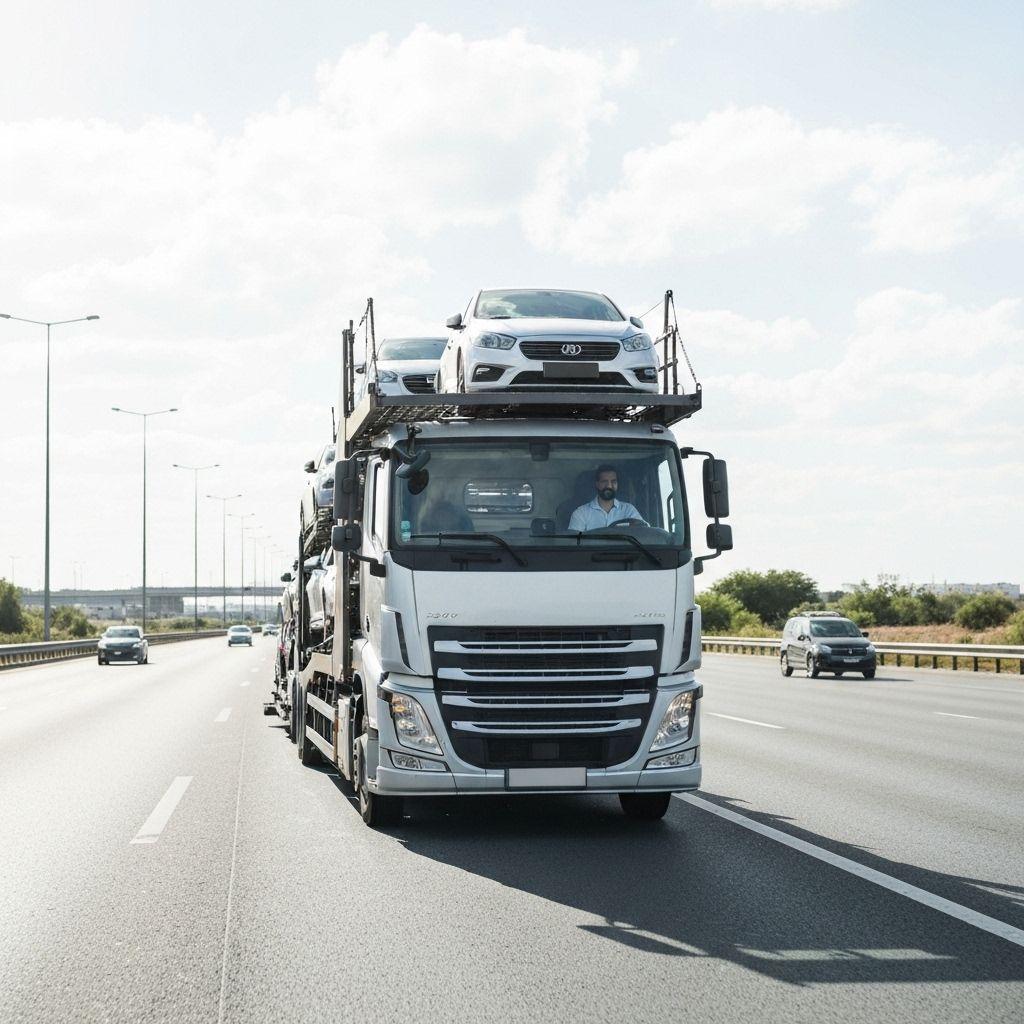
Most EVs ship on open carriers, the same trucks that deliver new cars to dealerships. Open car transport is the most affordable choice and works well for everyday EVs.
Enclosed car transport costs more, usually about 40–60% above open, but adds protection from weather, road debris and dust. It can make sense for high-value or performance EVs, rare models, cars with fresh paint protection film, or shipments in harsh winter weather.
| Your EV | Usually a Good Fit |
|---|---|
| Daily driver sedan or crossover | Open transport |
| Luxury or performance EV | Enclosed transport |
| New EV bought out of state | Open, or enclosed for high-value models |
| Heavy electric truck or large SUV | Open; ask about weight and fit |
| Winter shipment on a long northern route | Either; enclosed adds weather protection |
For a deeper comparison, read our guide to open vs. enclosed transport.
Door-to-Door or Terminal for an EV?
Most EV shipments are door-to-door, meaning the driver picks up and delivers as close to your address as the truck can safely get. This is usually the easiest option for EVs, since the car does not sit in a terminal lot for days while the battery slowly drains.
If you are weighing the two, our guide to door-to-door vs. terminal car shipping compares price and convenience.
Documents and Inspection
No special paperwork is needed to ship an EV within the US. Have these ready:
1. Photo ID for the person releasing and receiving the car
2. Registration and proof of insurance, which is good to keep on hand
3. Key, key card or fob plus any written instructions for transport mode
4. Your own photos of all sides, the wheels, the roof and the charge level on the screen
At pickup, walk around the car with the driver and make sure every existing scratch or dent is noted on the Bill of Lading. At delivery, do the same inspection before you sign. If you find new damage, note it on the Bill of Lading at delivery and file with the carrier as soon as possible, following the carrier's claim deadline.
It is also smart to confirm that the carrier is properly registered. You can look up any carrier's USDOT number on the FMCSA SAFER website.
Cost to Ship an Electric Car
EV prices follow the same rules as any car: distance, route, season, size and transport type. A coast-to-coast sedan on an open carrier usually costs about $1,200–$2,000. Add roughly 40–60% for enclosed transport, and expect a surcharge for heavy electric trucks or SUVs. Once picked up, a coast-to-coast trip often takes 7–10 days.
The Bottom Line on Shipping an EV
Shipping an electric car is simple once you know the EV-specific steps. Leave a moderate charge, turn off features that resist loading, hand over a working physical key, remove your charging gear, and give the exact model so the carrier can plan for the weight. If the battery is damaged or the car will not power on, say so up front.
Ready to move your EV? Get your free instant quote for your route and dates. An auto transport specialist will contact you shortly with an accurate quote.
Frequently Asked Questions
What percent should my EV be charged for shipping?
General guidance is roughly 30–50% charge, but follow your manufacturer's recommendation if your owner's manual gives one. Avoid shipping at 100% or near empty, since the driver needs enough power to load and unload the car.
Does it cost more to ship an electric car?
Small and midsize EVs often cost about the same as similar gas cars. Heavy electric trucks and large SUVs may cost more because they use more of the carrier's weight limit, similar to any heavy vehicle.
Do I need to put my Tesla in transport mode?
Tesla has a transport mode that helps when the car needs to be moved without being driven normally. Check your owner's manual for how and when to use it, and leave clear instructions with the driver at pickup.
Can a damaged EV battery be shipped?
Yes, but it may need special handling, and not every carrier can take it. Tell your auto transport specialist about any accident, flood damage or battery warning before booking so they can find a qualified carrier.
Should I ship my EV on an open or enclosed carrier?
Open transport works well for most everyday EVs and costs less. Enclosed transport adds protection and is worth considering for high-value, rare or performance electric cars.
Should I leave the charging cable in the car?
It is best to remove the mobile charging cable, adapters and other loose items. Carriers generally do not cover personal items left inside a vehicle, and loose items can shift during transport.