

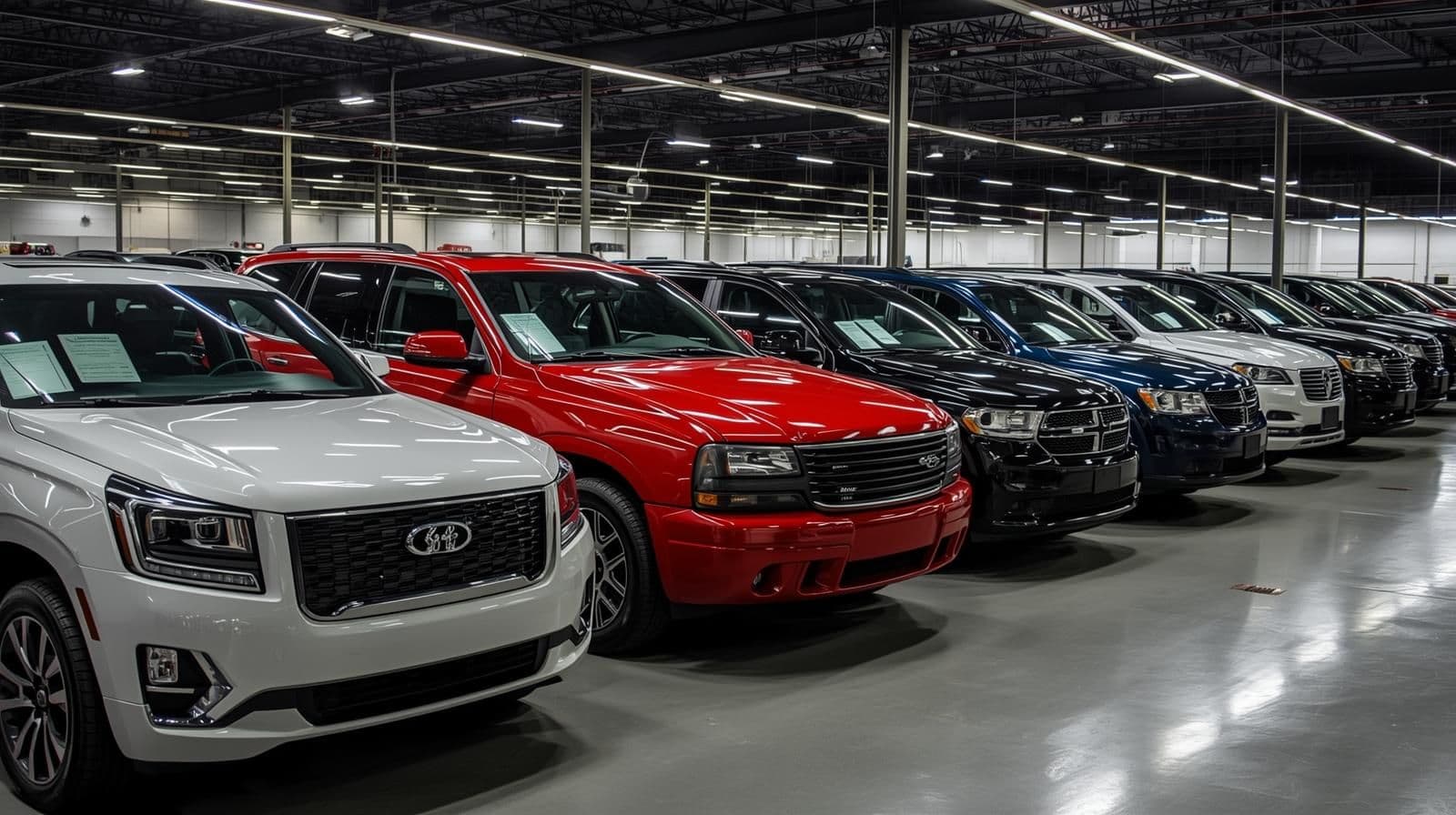
Buying a Car Out of State: 2026 Shipping & Registration Guide
The internet killed the local-only car search. Between online marketplaces, dealer networks, and auction platforms, the right car at the right price is often two states away — and the only thing standing between you and it is logistics. Shipping a car you bought out of state is a routine, solved problem; this guide walks through how it works, what it costs, and the handful of mistakes that actually cause trouble.
Why People Buy Out of State
- Price: the same car can vary thousands of dollars between regional markets.
- Selection: rare trims, colors, and low-mileage examples don't respect state lines.
- Condition: buyers in the Rust Belt routinely source rust-free cars from the South and West.
- Auctions: dealer and salvage auctions sell far below retail — if you can get the car home.
What Shipping Adds to the Purchase
Typical 2026 open-transport costs for a running sedan:
- Neighboring state (200–500 miles): $400 – $600
- Regional (500–1,000 miles): $550 – $850
- Cross-country (2,000+ miles): $1,100 – $1,500
- Inoperable / project car: add $150 – $300 for winch loading
Run the math before bidding: a $2,000 price advantage on a car 800 miles away is still $1,300+ ahead after shipping. The deals survive the freight; impulse buys without a shipping estimate sometimes don't.
How Pickup From a Seller, Dealer, or Auction Works
You don't need to be there. The carrier coordinates directly with whoever holds the car:
- Private seller: the seller (or any adult) releases the car, the driver inspects and documents it on the Bill of Lading, and you get photos before it moves.
- Dealership: routine for carriers — provide the dealer's contact and any release/payment-confirmation requirements.
- Auction (Manheim, Copart, IAAI): give the lot number, buyer number, and gate pass info. Auctions charge storage after a free window — typically 3–7 days — so book transport the same day you win.
The Mistakes That Actually Cause Problems
- Paying before verifying the car exists. For private sales, an inspection service or video call beats wired money and hope.
- Missing the auction storage window — daily fees eat the discount fast.
- Assuming the car runs. "Ran when parked" means winch fees; confirm operability before quoting transport.
- Forgetting the paperwork chain: you need the signed title (or dealer's title processing), a bill of sale, and usually temporary registration or a trip permit for your state.
- Booking the cheapest broker quote. Lowball quotes get re-priced after your car sits unclaimed; book realistic quotes from rated companies.
Registering It at Home
Once the car arrives: most states give you 20–60 days to register an out-of-state purchase. You'll typically need the signed-over title, bill of sale, odometer disclosure, proof of insurance, and a VIN inspection or emissions check depending on the state. California is the strict outlier — see our California guide for its smog and CARB rules. Sales tax is owed in your home state at registration, not in the purchase state (dealers sometimes collect it; keep receipts either way).
Frequently Asked Questions
Can a transport company pick up a car I haven't seen in person?
Yes — that's most of this market. The driver's Bill of Lading inspection plus photos at pickup documents the car's condition before it moves. For extra assurance on private sales, hire a pre-purchase inspection first.
How fast after an auction win should I book shipping?
Same day. Free storage windows run 3–7 days at most auctions, and carrier assignment plus pickup typically takes 2–5 days — the timelines barely overlap.
Do I need insurance before the car ships?
The carrier's cargo insurance covers transit. Your own policy should start by delivery day — most insurers add a newly purchased vehicle to an existing policy automatically for a grace period, but confirm yours.
Related Guides
- How Auto Transport Really Works
- How to Avoid Car Shipping Scams
- Auto Auctions Guide
- Car Shipping Cost Guide
Found the Right Car?
Get the shipping number before you commit — it takes a minute and turns a maybe into a decision. Get your free quote.
Ready to ship your car? Get an instant quote
Enter your route for real 2026 pricing — about 60 seconds, no email needed for an estimate.
Related Articles
International Car Shipping: How to Ship a Car Overseas (2026 Guide)
Shipping a car overseas costs roughly $1,500–$5,000+ and takes 2–8 weeks by ocean freight. RoRo vs container, customs and duties, the documents you must have, and how to avoid the costly first-timer mistakes.
Can You Ship a Leased or Financed Car? 2026 Rules & Permissions
Yes — you can ship a car you're still paying off or leasing, and you don't need the lender's permission for domestic transport. Where permission does matter (out of state, overseas), insurance rules, and what leaseholders must check first.
Shipping a Car to Puerto Rico: 2026 Cost, Process & Requirements
Shipping a car to Puerto Rico costs roughly $1,000–$2,500 and takes 1–2 weeks by ocean carrier from Jacksonville. Port options, the excise (Hacienda) tax that surprises everyone, required documents, and the full step-by-step.
Ready to Ship Your Car?
Get an instant quote and experience hassle-free car shipping.
Get Free Quote →