

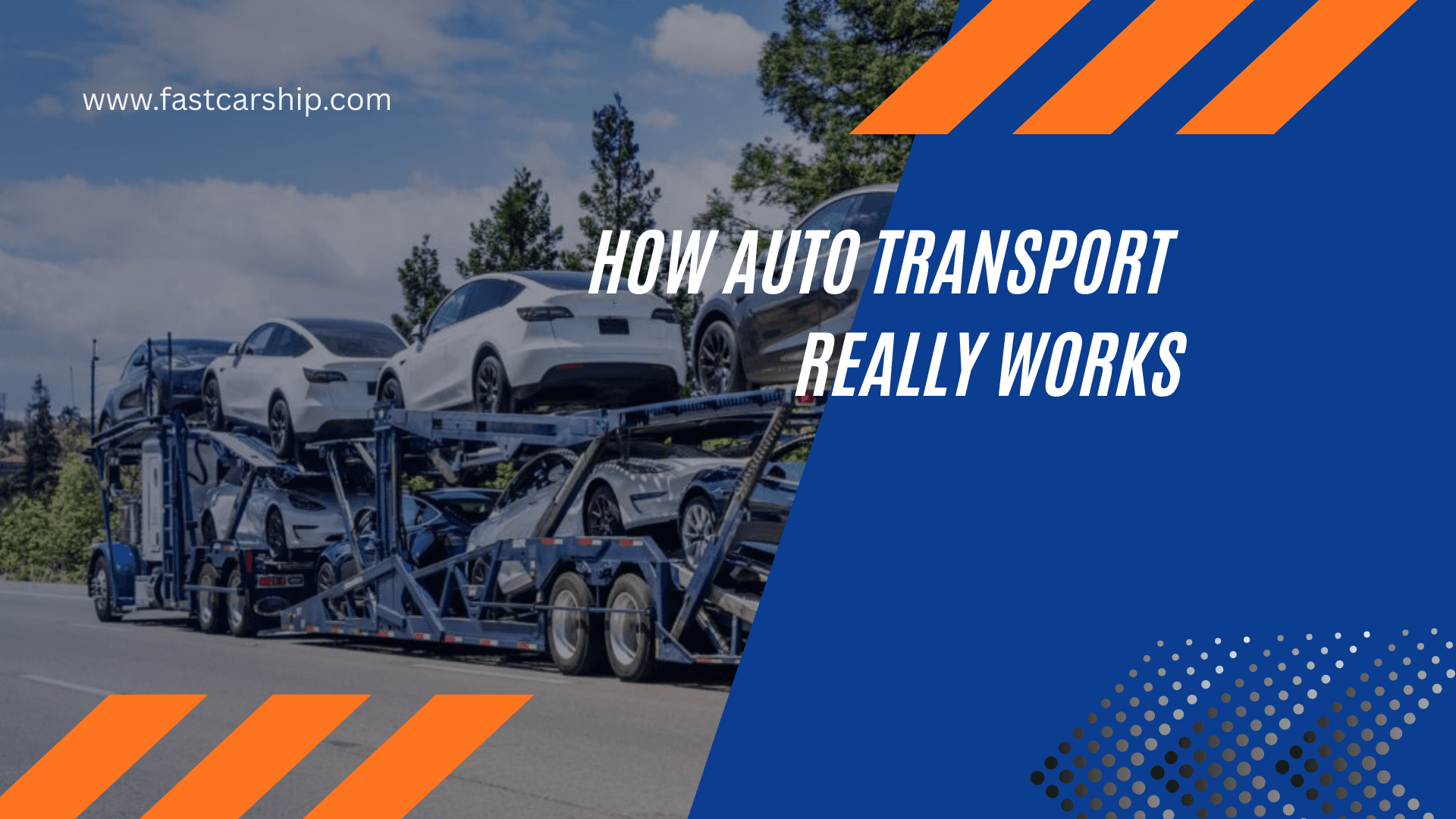
How Auto Transport Really Works: A Step-by-Step Guide for First-Time Shippers
How Auto Transport Really Works (Step-by-Step Guide)
Shipping a car for the first time can feel confusing. Many people don’t know who handles the vehicle, how pricing works, or what actually happens between pickup and delivery.
This guide explains how auto transport really works, step by step — without sales pressure, hidden tricks, or confusing industry jargon.
Whether you’re moving, buying a car online, or relocating for work, this article will walk you through the full process.
Step 1: Requesting an Auto Transport Quote
Everything starts with a quote. To generate an accurate estimate, you typically provide:
- Pickup location (city or ZIP code)
- Delivery location
- Vehicle make, model, and year
- Vehicle condition (running or non-running)
- Preferred shipping date
📌 Important:
Quotes are estimates, not final prices. The final cost depends on carrier availability and market demand.
Auto Transport Price Breakdown (Average Numbers)
| Factor | Typical Range |
|---|---|
| Cost per mile | $0.60 – $1.20 |
| Average total cost | $700 – $1,500 |
| Enclosed transport premium | +30% to +60% |
| Non-running vehicle fee | +$150 – $300 |
| Expedited shipping | +$200 – $500 |
These numbers reflect typical U.S. domestic auto transport rates.
Step 2: Understanding What Affects Pricing
Auto transport pricing is dynamic. It changes based on supply, demand, and logistics.
Main pricing factors include:
- Distance: Longer routes cost more overall but less per mile
- Vehicle size: SUVs and trucks cost more than sedans
- Transport type: Open vs enclosed
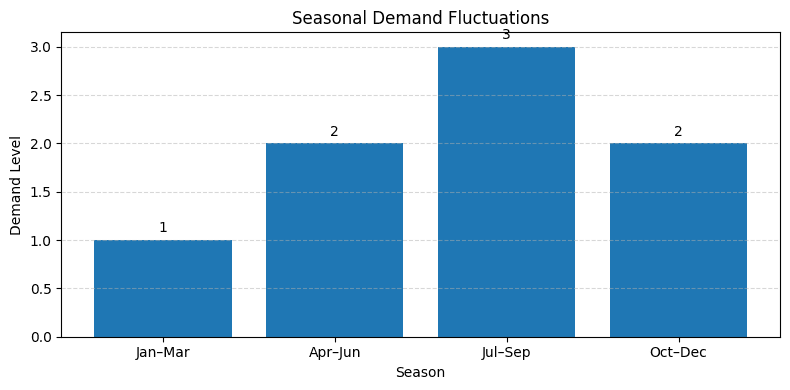
- Season: Summer and snowbird seasons are more expensive
Seasonal Pricing Comparison
| Season | Price Trend |
|---|---|
| January – March | Lower demand, lower prices |
| April – June | Prices increase gradually |
| July – September | Peak season (highest prices) |
| October – December | Prices stabilize |
Step 3: Who Is Involved in Auto Transport?
Many people confuse brokers, carriers, and platforms.
Let’s clarify.
Broker vs Carrier vs FastCarShip
| Role | Responsibility |
|---|---|
| Carrier | Physically transports the vehicle |
| Broker | Finds carriers and coordinates shipping |
| FastCarShip | Educates customers and routes leads to verified broker partners |
📌 Important:
FastCarShip does not transport vehicles and does not act as a broker. We focus on education and lead routing to trusted professionals.
Step 4: Carrier Vetting & Safety Checks
Before any carrier receives a shipment opportunity, they must pass strict checks.
Carrier Vetting Checklist
| Verification Step | Requirement |
|---|---|
| USDOT & MC Authority | Must be active |
| Cargo Insurance | $100,000+ coverage |
| Liability Insurance | $750,000+ |
| Safety Record | No serious violations |
| Rating History | Consistent performance |
| Reputation | BBB & complaint review |
This process helps reduce:
- Last-minute cancellations
- Vehicle damage
- Fraud and ghost carriers
Step 5: Pickup Day – What Happens?
On pickup day:
- The carrier contacts you 12–24 hours in advance
- Vehicle inspection is performed
- A Bill of Lading (BOL) is signed
- Vehicle is loaded onto the truck
📌 Tip:
Wash your car before pickup to document existing damage clearly.
Step 6: Transit & Tracking
Transit times depend on distance and route:
Average Transit Times
| Distance | Delivery Time |
|---|---|
| Under 500 miles 1–2 days | 1–2 days |
| 500–1,000 miles | 2–4 days |
| 1,000–2,000 miles | 4–7 days |
| Cross-country | 7–10 days |
Most carriers provide:
- Phone updates
- Dispatch contact
- Delivery window (not exact time)

Step 7: Delivery & Final Inspection
At delivery:
- Inspect the vehicle carefully
- Compare condition with pickup BOL
- Note any damage before signing
If damage occurs (rare but possible):
- Document immediately
- File insurance claim with carrier
Open vs Enclosed Transport (Quick Comparison)
| Feature | Open Transport | Enclosed Transport |
|---|---|---|
| Cost | Lower | Higher |
| Weather exposure | Yes | No |
| Vehicle type | Standard cars | Luxury, classic |
| Availability | High | Limited |
Common Auto Transport Myths
❌ “The cheapest quote is the best”
✔ Often leads to delays or cancellations
❌ “My car will arrive on an exact date”
✔ Delivery windows are normal
❌ “All carriers are the same”
✔ Vetting makes a major difference
Final Thoughts
Auto transport isn’t complicated — but it requires transparency, proper vetting, and realistic expectations.
Our role is simple:
- Educate customers
- Verify industry professionals
- Route leads to trusted partners
That’s how trust is built — and why informed customers experience fewer problems.
Ready to ship your car? Get an instant quote
Enter your route for real 2026 pricing — about 60 seconds, no email needed for an estimate.
Frequently Asked Questions
Quick answers to common questions about car shipping
Related Articles
Los Angeles to New York Car Shipping: 2026 Route Guide & Costs
Shipping a car from Los Angeles to New York in 2026? Get real cost ranges ($950–$1,300), transit times, cross-country route tips, and seasonal pricing for the LA→NYC corridor.

Cross Country Car Shipping: 2026 Costs, Timelines & Complete Guide
Shipping a car across the country in 2026? Real coast-to-coast costs ($800–$1,400), 7–10 day transit times, major route breakdowns, and how to avoid the common cross-country mistakes.
Electric Vehicle Car Shipping Guide 2026: What EV Owners Must Know
Shipping an EV in 2026? Learn how Tesla, Rivian, and other electric vehicles ship differently — battery prep, carrier requirements, enclosed transport recommendations, and real cost ranges.
Ready to Ship Your Car?
Get an instant quote and experience hassle-free car shipping.
Get Free Quote →