Auto Transport Broker vs. Carrier: Who Actually Moves Your Car?
Auto transport broker vs. carrier: learn who really moves your car, the pros and cons of each, how to check FMCSA authority, and red flags to avoid.
When you search for car shipping, you will find hundreds of companies that all seem to do the same thing. Some own trucks. Most do not. Many customers only find out who is actually moving their car when a driver they have never heard of calls the day before pickup.
That is not a scam. It is how the auto transport industry works. Most car shipments are arranged by a broker, who then dispatches a licensed carrier that owns the truck and does the driving. Knowing the difference helps you compare quotes fairly, ask the right questions, and spot the companies to avoid.
This guide explains what brokers and carriers do, the real pros and cons of each, and how to tell which one you are talking to. If you want to see a price for your route first, you can get an instant car shipping quote and read on while you wait.
Quick Answer: What Is the Difference Between a Broker and a Carrier?
- A carrier owns or operates the truck and physically moves your car. It holds FMCSA operating authority as a motor carrier.
- A broker does not move cars. It arranges your shipment by finding and booking a licensed carrier on your route. It holds FMCSA broker authority.
- Most car shipments are arranged through brokers, because one broker can reach thousands of carriers while a single carrier only runs a few routes.
- You can check which one a company is by looking up its USDOT or MC number on the FMCSA website, which lists its entity type and authority.
What an Auto Transport Carrier Does
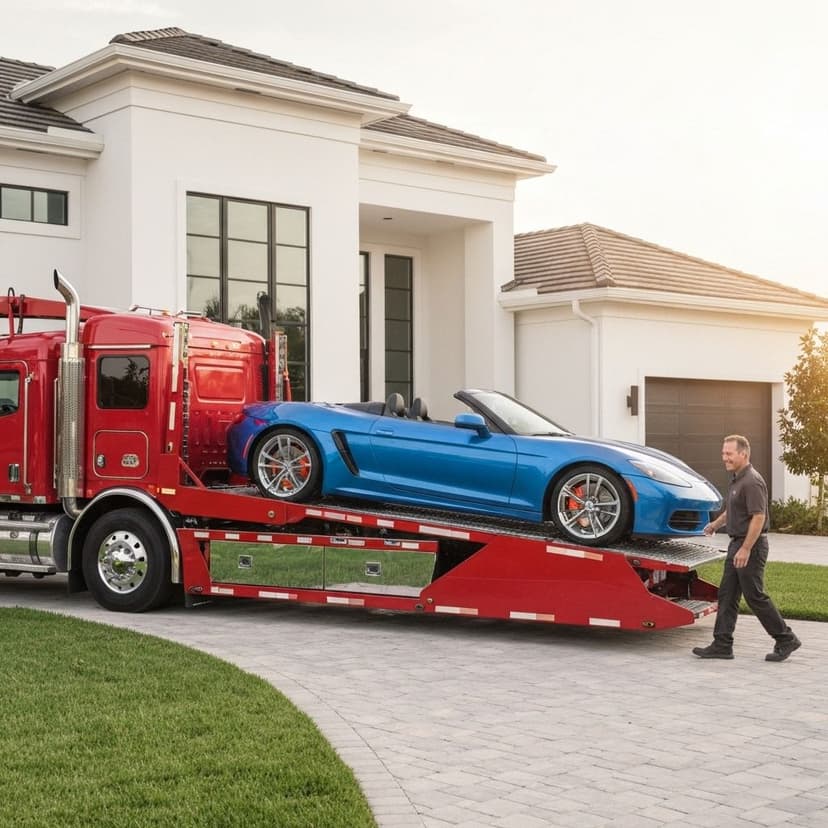
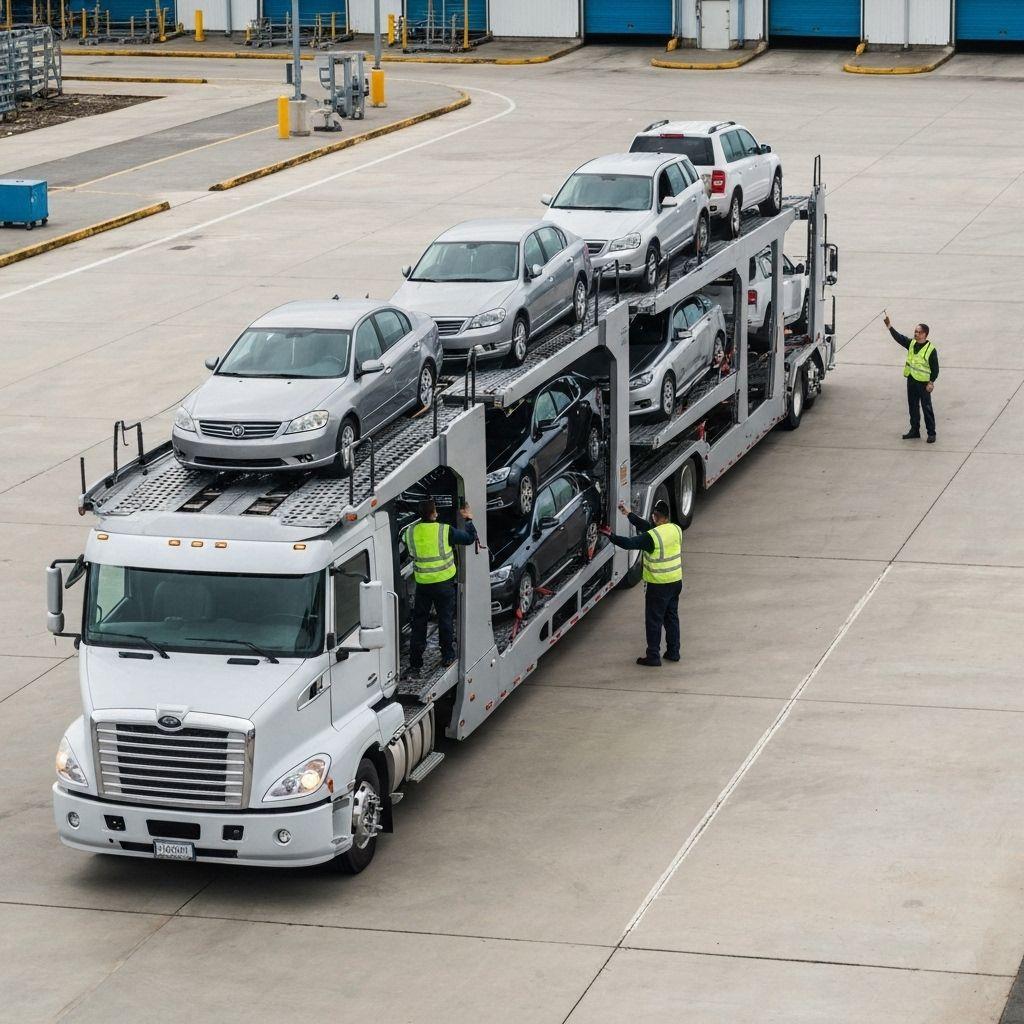
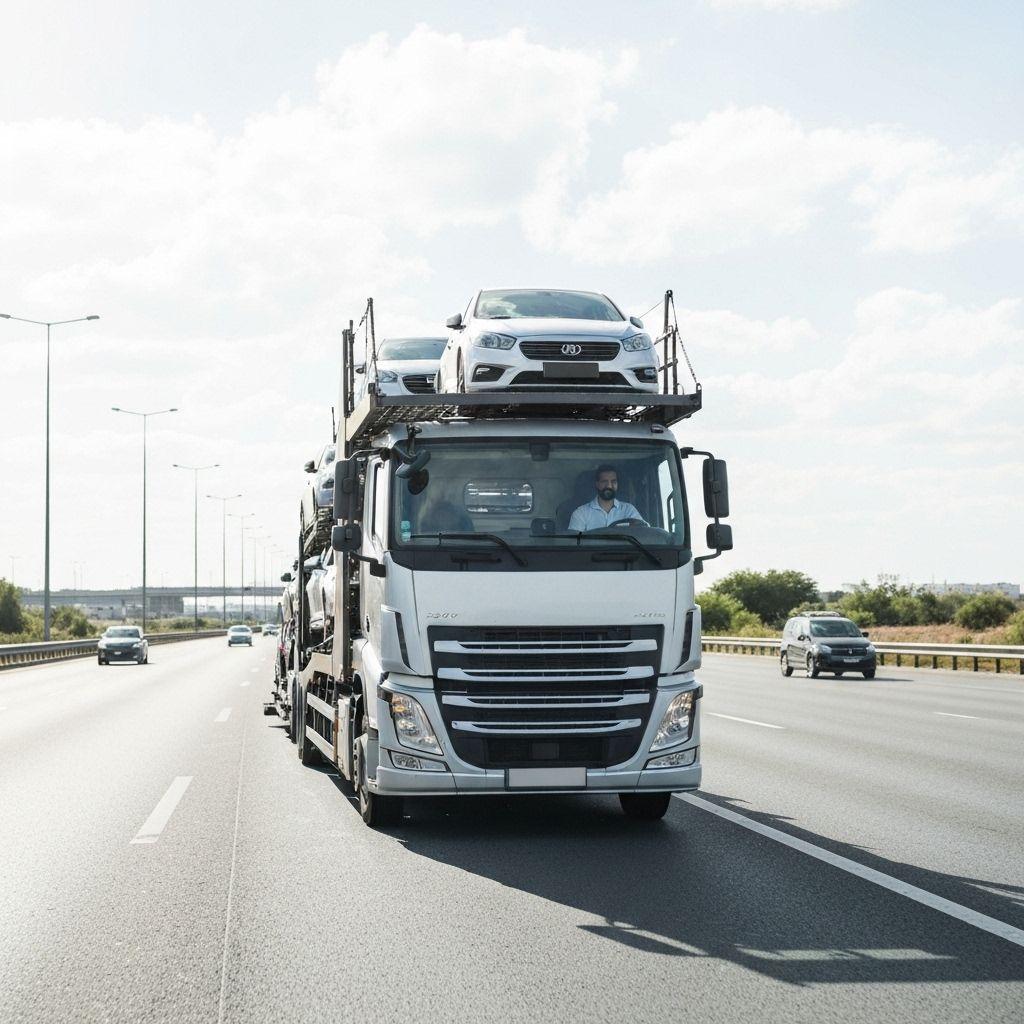
A carrier is the company with the truck. It might be one owner-operator with a single trailer or a fleet with dozens of rigs. Carriers pick up your car, load it, drive it across the country, and unload it at delivery.
Carriers must register with the Federal Motor Carrier Safety Administration (FMCSA), get a USDOT number, and hold operating authority to haul vehicles for hire across state lines. They also need liability insurance on file with FMCSA, and reputable car haulers carry cargo insurance that covers the vehicles on their trailer.
The challenge for carriers is that they run fixed routes. A carrier that runs Texas to California every week cannot help you move from Ohio to Maine. Even on its own lanes, a truck only leaves when it is full, so pickup dates depend on the carrier's schedule, not yours.
What an Auto Transport Broker Does
A broker connects shippers with carriers. When you book with a broker, it posts your vehicle to a national load board that carriers watch, then matches your car with a truck already heading your way. The broker handles the scheduling, paperwork, and communication, and acts as your point of contact if anything changes.
Brokers must also register with FMCSA and hold broker authority. FMCSA requires licensed property brokers to keep a $75,000 surety bond or trust fund on file. A broker does not need cargo insurance for your car, because the carrier's insurance is what covers the vehicle while it is on the truck.
A good broker checks each carrier before assigning your car: active authority, insurance on file, and safety record. A bad one simply hands your car to whoever accepts the lowest price.
Broker vs. Carrier: Side-by-Side Comparison
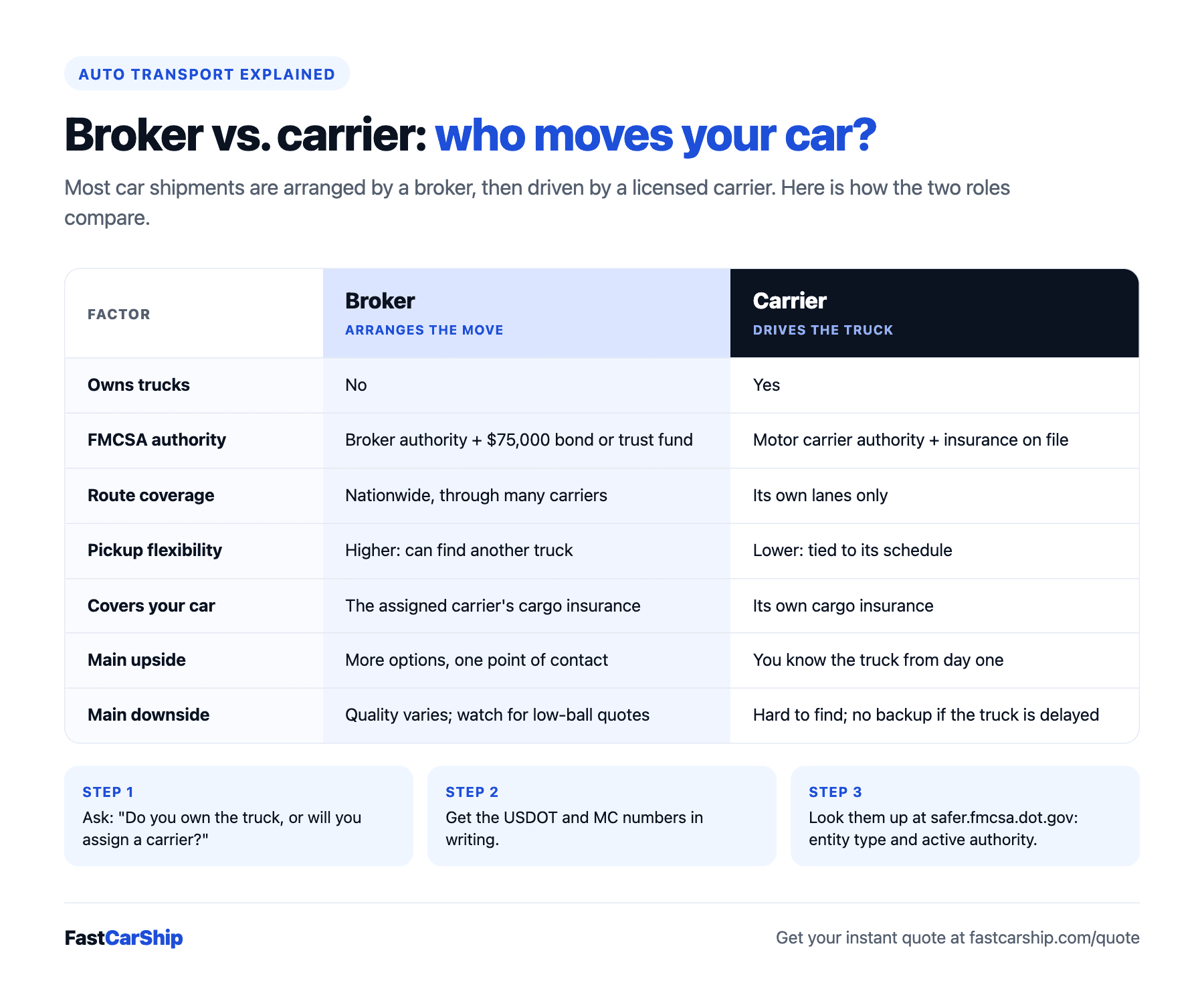
| Factor | Broker | Carrier |
|---|---|---|
| Owns trucks | No | Yes |
| Physically moves your car | No | Yes |
| FMCSA authority type | Broker | Motor carrier (common or contract) |
| Route coverage | Nationwide, through many carriers | Limited to its own lanes |
| Pickup flexibility | Higher; can find another truck | Lower; tied to its schedule |
| Insurance that covers your car | The assigned carrier's cargo policy | Its own cargo policy |
| Your main contact | Broker's agent, then the driver | The carrier directly |
| Best for | Most routes and timelines | A route the carrier runs often |
Pros and Cons of Booking With a Broker
Pros
- More options. A broker can reach thousands of carriers instead of one, which matters most on less common routes.
- Faster pickup. If one carrier falls through, the broker can find another.
- One point of contact. You deal with the same team from quote to delivery.
- Carrier vetting. A good broker checks authority and insurance so you do not have to start from scratch.
Cons
- You do not choose the exact truck at booking. The carrier is assigned later, often a few days before pickup.
- Quality varies. Some brokers vet carriers carefully, and some do not.
- Low-ball quotes. Some brokers quote a price no carrier will accept, then raise it later or leave your car waiting.
Pros and Cons of Booking Directly With a Carrier
Pros
- You know who is moving your car from day one.
- Direct communication with the dispatcher or driver.
- Can work well if the carrier runs your exact route on your dates.
Cons
- Hard to find. Many small carriers do not advertise to the public at all.
- Limited routes and dates. If your trip is off their lane, they cannot help.
- Less backup. If the truck breaks down or the schedule slips, there is no one to find a replacement.
How to Tell If You Are Talking to a Broker or a Carrier
Many companies blur the line in their ads. Here is how to find out for sure.
1. Ask directly. Ask, "Do you own the truck that will move my car, or will you assign a carrier?" A trustworthy company answers clearly.
2. Get the USDOT and MC numbers. Every licensed broker and interstate carrier has them, and most list them on their website.
3. Look them up on FMCSA. Enter the number in the FMCSA SAFER Company Snapshot. The entity type will show carrier, broker, or both.
4. Check the authority type. The licensing record shows whether the company holds common, contract, or broker authority, and whether it is active.
5. Read the contract. A broker's agreement usually says it arranges transport through independent carriers.
Some companies hold both broker and carrier authority. They run their own trucks on some routes and broker the rest. That is normal, but ask which applies to your shipment.
If you are new to this, our FAQ page answers more common car shipping questions about licensing, insurance, and timing.
Red Flags With Brokers and Carriers
Whether you book with a broker or a carrier, watch for these warning signs:
| Red Flag | Why It Matters |
|---|---|
| Quote far below every other quote | Often raised later, or no carrier accepts it |
| Large deposit required before a carrier is assigned | Leaves you with little leverage if service fails |
| No USDOT or MC number, or it does not match the company name | May not be licensed |
| Authority listed as "not authorized" or inactive | Not legally allowed to operate across state lines |
| Claims to be a carrier but has no trucks on record | Misleading about who moves your car |
| "Guaranteed" pickup date at the cheapest price | Pickup dates depend on carrier availability |
| Pressure to book right now | Good companies give you time to check them |
The most common problem is the bait-and-switch quote. A company wins your booking with a very low price, then cannot find a carrier willing to move the car for that amount. Your pickup date passes, and you get a call asking for more money. A realistic quote from the start avoids this. Read more in our guide to car shipping scams and how to avoid them.
So, Should You Use a Broker or a Carrier?
For most people, a reputable broker is the practical choice. It gives you access to far more trucks and dates, plus someone to call if plans change. Booking direct with a carrier makes sense when you already know a carrier that runs your exact route on your timeline.
What matters more than the label is the company's behavior:
- It gives you a realistic price, not the lowest number on the internet
- It shows you its FMCSA numbers without being asked twice
- It tells you who the assigned carrier is before pickup
- It confirms the carrier has active authority and cargo insurance
- It explains the Bill of Lading inspection at pickup and delivery
If you are shipping because of a move, our moving out of state car checklist shows where shipping fits with your title, registration, and insurance tasks. You can also check your route price in under a minute to see what a fair quote looks like.
Where FastCarShip Fits
FastCarShip is not a carrier and does not own trucks or employ drivers. FastCarShip helps you get an instant car shipping estimate online and connects you with professional auto transport specialists who work with licensed, FMCSA-authorized, insured carriers.
You enter your route and vehicle, see a price range right away, and an auto transport specialist follows up to confirm the details, timing, and the type of transport you need, such as open car transport or enclosed transport. See how it works for each step, or learn more about FastCarShip.
What Affects Your Price, No Matter Who You Book With
Whether you use a broker or a carrier, the same things drive the price:
- Distance and route. Long trips cost less per mile. Trips over 1,500 miles typically run about $0.50 to $0.80 per mile.
- Vehicle size. Bigger and heavier vehicles take more space and weight, often adding about $100 to $500 or more.
- Open or enclosed. Enclosed transport usually adds about 40 to 60 percent.
- Running condition. An inoperable car typically adds about $100 to $250 for winching.
- Season. Summer and snowbird season cost more. See the best time to ship a car.
Our car shipping costs guide explains each factor in more detail.
The Bottom Line
A carrier moves your car. A broker arranges the move by matching you with a carrier. Most shipments go through brokers, and that works well when the broker is honest about pricing and careful about which carriers it uses. Whichever you choose, check the FMCSA numbers, ask who will move your car, and get a realistic quote in writing.
Ready to see what your shipment should cost? Get your free instant quote with your pickup and delivery ZIP codes. An auto transport specialist will contact you shortly with an accurate quote and answer any questions about who will be moving your car.
Frequently Asked Questions
Is it better to use a car shipping broker or a carrier?
For most routes, a reputable broker is the more practical choice because it can reach many carriers and offer more pickup dates. Booking directly with a carrier can work if it already runs your exact route on your timeline. Either way, check the company's FMCSA record first.
Do auto transport brokers have insurance?
Brokers must keep a $75,000 surety bond or trust fund on file with FMCSA. The insurance that covers your car during transport is the carrier's cargo insurance, so ask for the assigned carrier's certificate of insurance before pickup.
How do I know if a car shipping company is a broker?
Look up its USDOT or MC number on the FMCSA SAFER website. The record shows whether the company is listed as a carrier, a broker, or both, and whether its authority is active. You can also simply ask if it owns the truck that will move your car.
Why did a different company pick up my car?
If you booked with a broker, a separate licensed carrier usually performs the pickup and delivery. That is normal. Your broker should tell you the carrier's name and contact details before pickup.
Is FastCarShip a broker or a carrier?
FastCarShip is not a carrier. It provides instant car shipping estimates and connects you with professional auto transport specialists who work with licensed, FMCSA-authorized, insured carriers.
Why are some broker quotes so much cheaper?
Some companies post low prices to win your booking, then raise the price once no carrier accepts the low rate. A quote far below the rest is often a warning sign. A realistic price usually gets your car picked up faster.