

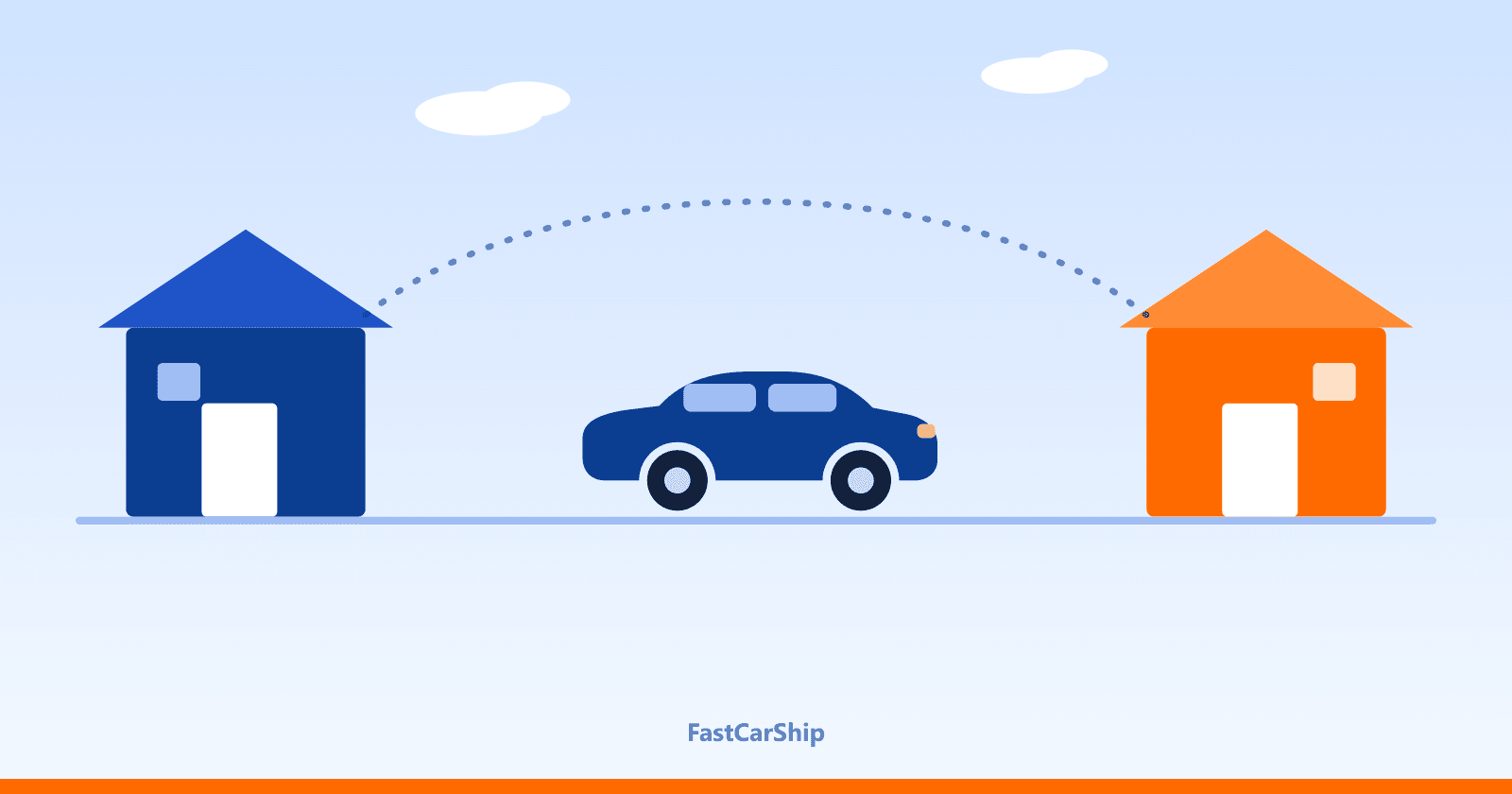
Door-to-Door vs Terminal-to-Terminal Car Shipping: Which Is Better?
When booking auto transport, one of the first decisions you'll face is: door-to-door or terminal-to-terminal? Each has legitimate advantages depending on your situation. This guide cuts through the marketing noise and gives you the real tradeoffs.
What Is Door-to-Door Car Shipping?
Door-to-door car shipping means the carrier picks up your vehicle as close to your home or specified address as possible, and delivers it as close to your destination address as possible. You don't drive to a depot — the driver comes to you.
In practice, "door-to-door" doesn't always mean literally your driveway. A multi-car carrier is a semi-truck hauling 6–10 vehicles. On narrow residential streets, in gated communities, or in dense urban areas, the driver may need to meet you at a nearby accessible location — a parking lot, gas station, or wide street.
This is still considered door-to-door service and is the standard in the industry.
What Is Terminal-to-Terminal Car Shipping?
Terminal-to-terminal shipping means you drive your vehicle to a carrier's storage facility (terminal) near your origin city, drop it off, and pick it up from another terminal near your destination. The carrier handles transport between the two facilities.
Terminals are typically large lots where vehicles are staged before loading onto long-haul carriers. They're usually located near major interstates on the outskirts of metro areas — not always conveniently located.
Cost Comparison: Door-to-Door vs Terminal-to-Terminal
| Route Example | Door-to-Door | Terminal-to-Terminal | Savings |
|---|---|---|---|
| NYC → Miami (~1,280 mi) | $750 – $1,050 | $600 – $900 | $100 – $200 |
| LA → Chicago (~2,020 mi) | $900 – $1,200 | $750 – $1,000 | $150 – $250 |
| Dallas → Denver (~780 mi) | $550 – $750 | $450 – $650 | $100 – $150 |
| Seattle → Phoenix (~1,400 mi) | $750 – $1,000 | $600 – $850 | $100 – $200 |
Terminal-to-terminal saves $100–$250 on most routes. Whether that savings is worth the added inconvenience depends on your situation.
Door-to-Door: Pros and Cons
Advantages
- Maximum convenience — no driving to a depot, no scheduling around terminal hours
- Faster overall process — no waiting for terminal lot availability
- Better vehicle security — less time sitting in an open lot with other vehicles
- Easier to coordinate with your move-in or arrival date
- The default choice for most shipments — carriers are set up for it
Disadvantages
- Costs $100–$250 more than terminal service on most routes
- May not be available for very remote rural locations
- Requires you or someone you designate to be present at pickup and delivery
Terminal-to-Terminal: Pros and Cons
Advantages
- Lower cost — $100–$250 cheaper on most routes
- Useful if you're leaving before the carrier can pick up (drop off the car, then fly out)
- Helpful if destination isn't accessible by large trucks
- Good for flexible timing — terminal will hold the vehicle until you're ready
Disadvantages
- You must drive the car to the terminal and arrange transportation back
- You must pick up the car at the destination terminal — often far from your final destination
- Terminal lots are unsecured outdoor storage — minor door dings from other vehicles are not uncommon
- Limited terminal locations — not available in all cities
- Terminal hours restrict when you can drop off or pick up
- Storage fees apply if you don't pick up within the allowed window (typically 3–5 free days)
Hidden Costs of Terminal-to-Terminal That Erode the Savings
The $150 savings looks attractive until you factor in the full picture:
| Hidden Cost | Typical Amount |
|---|---|
| Uber/rideshare from terminal after drop-off | $15 – $50 |
| Uber/rideshare to terminal for pickup | $15 – $50 |
| Storage fees if pickup is delayed (per day) | $25 – $50/day |
| Your time driving to/from terminals (round trips) | Unpaid but real |
| Fuel driving to terminal | $10 – $30 |
If you need 2 round trips (origin drop-off + destination pickup) and hit even 2 days of storage fees, you've likely spent $100–$200 in "free" costs — wiping out most or all of the terminal discount.
Which Should You Choose?
| Your Situation | Best Choice |
|---|---|
| You're present at both origin and destination | Door-to-door |
| Budget is primary concern and you have flexibility | Terminal-to-terminal |
| You're flying out before pickup is possible | Terminal-to-terminal (drop off first) |
| Urban area with narrow streets (Manhattan, etc.) | Door-to-door (carrier will find meet point) |
| Rural origin with no nearby terminal | Door-to-door |
| Need vehicle held for 1–2 weeks at destination | Terminal-to-terminal |
| Shipping a luxury or collectible vehicle | Door-to-door enclosed |
The Reality: Most People Choose Door-to-Door
In practice, over 80% of car shipments use door-to-door service. The convenience advantage is usually worth $100–$200, especially for a one-time move. Terminal-to-terminal makes sense in specific scenarios — primarily when you need to drop off the car before you leave town, or when the destination terminal is actually more convenient than door delivery.
If you're unsure, get quotes for both options. The difference on your specific route may be smaller (or larger) than the averages above.
Can You Do "One-Way Terminal"?
Yes — many brokers offer hybrid options:
- Terminal pickup + door delivery: You drop car at origin terminal, carrier delivers to your destination address
- Door pickup + terminal delivery: Carrier picks up from your home, you collect from destination terminal
Hybrid options typically save $50–$100 vs full door-to-door. Useful if one end of your move is convenient to a terminal.
Frequently Asked Questions
Is door-to-door car shipping worth it?
For most people, yes. The $100–$250 premium over terminal service is offset by the time savings, reduced hassle, and better vehicle security. It's the default for a reason — carriers are structured around door-to-door logistics.
How do I find car shipping terminals near me?
When requesting a quote, ask the broker which terminal locations are available on your route and their addresses. Not all brokers operate terminals — this is more common with larger carriers that handle high-volume routes.
Is my car safe at a terminal?
Terminals are secured facilities with fencing and usually cameras. However, vehicles sitting in outdoor lots for days are subject to minor exposure — dust, bird droppings, and occasional door dings from vehicles being moved around the lot. Document your car's condition before drop-off with photos.
Can I put stuff in my car for terminal-to-terminal shipping?
The same rules apply as door-to-door: up to 100 lbs in the trunk, nothing visible through windows, no liability for personal items. Terminal staff may inspect the vehicle when it arrives at their facility.
Compare both options for your route — get a door-to-door quote in under 60 seconds. We'll show you both pricing options so you can decide what works best for your move.
Ready to ship your car? Get an instant quote
Enter your route for real 2026 pricing — about 60 seconds, no email needed for an estimate.
Frequently Asked Questions
Quick answers to common questions about car shipping
Related Articles
International Car Shipping: How to Ship a Car Overseas (2026 Guide)
Shipping a car overseas costs roughly $1,500–$5,000+ and takes 2–8 weeks by ocean freight. RoRo vs container, customs and duties, the documents you must have, and how to avoid the costly first-timer mistakes.
Can You Ship a Leased or Financed Car? 2026 Rules & Permissions
Yes — you can ship a car you're still paying off or leasing, and you don't need the lender's permission for domestic transport. Where permission does matter (out of state, overseas), insurance rules, and what leaseholders must check first.
Shipping a Car to Puerto Rico: 2026 Cost, Process & Requirements
Shipping a car to Puerto Rico costs roughly $1,000–$2,500 and takes 1–2 weeks by ocean carrier from Jacksonville. Port options, the excise (Hacienda) tax that surprises everyone, required documents, and the full step-by-step.
Ready to Ship Your Car?
Get an instant quote and experience hassle-free car shipping.
Get Free Quote →