

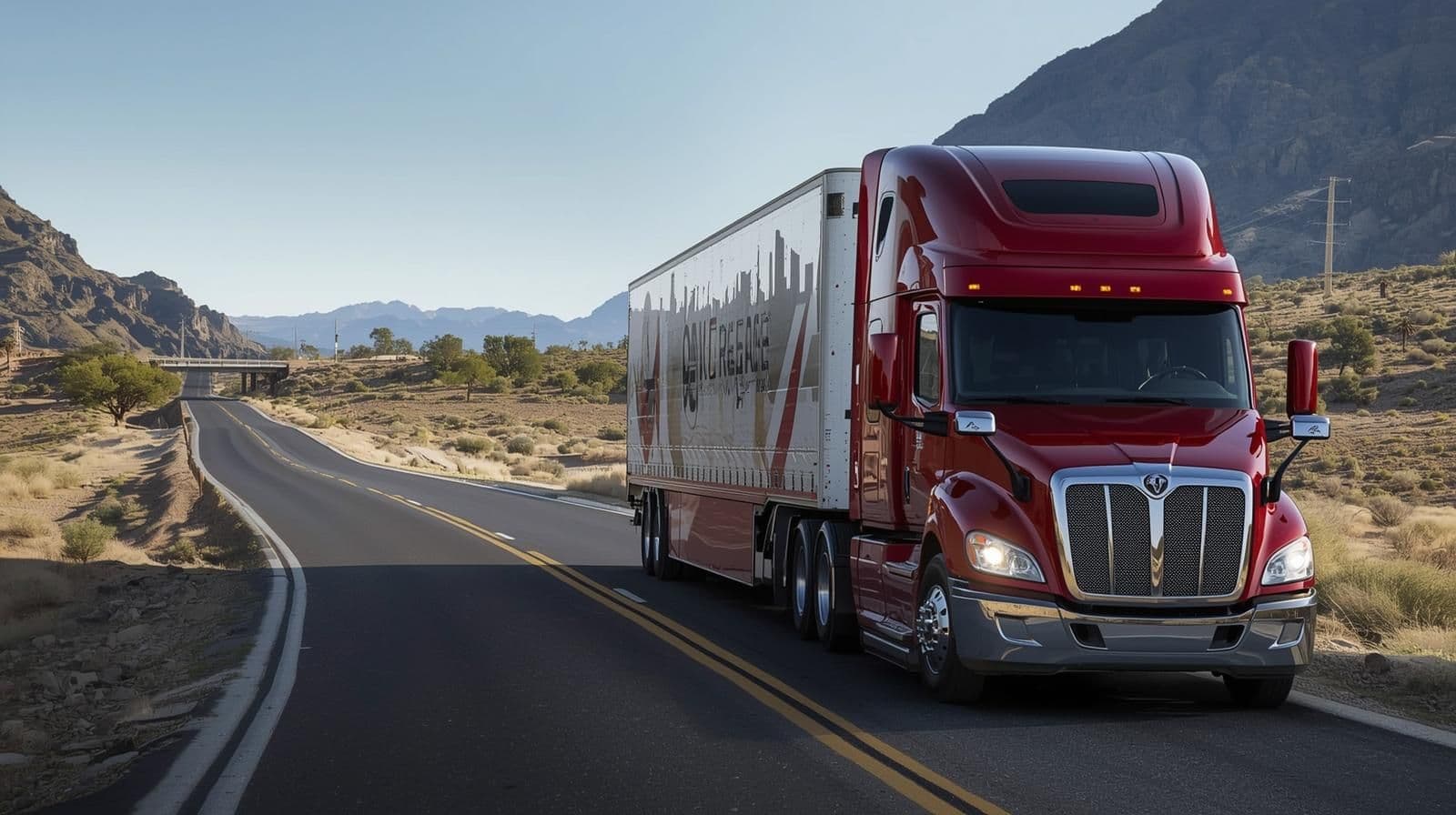
Carrier Vetting Process: How We Verify Safe & Reliable Auto Transport Companies
Carrier Vetting Process: How We Ensure Safe and Reliable Auto Transport
When shipping a vehicle, choosing the right carrier is just as important as getting the right price. Unfortunately, not all auto transport companies follow the same standards, which is why a proper carrier vetting process is critical.
At FastCarShip, we don’t work with random carriers. Every carrier that receives leads through our platform goes through a structured verification and screening process designed to protect customers and ensure reliable service.
Below, we explain exactly how our carrier vetting process works and why it matters.
Why Carrier Vetting Matters in Auto Transport
Auto transport is a regulated industry, but regulation alone doesn’t guarantee quality.
Unvetted carriers may:
- Operate without proper authority
- Carry insufficient insurance
- Have poor safety records
- Cancel pickups or delay deliveries
- Put vehicles at risk
A proper vetting process filters out these risks before a customer is ever connected to a transport company.
Step 1: FMCSA Authority Verification
The first step in our carrier vetting process is verifying FMCSA authority.
We check:
- USDOT number
- MC number
- Operating authority status (Active / Inactive)
- Carrier type (Carrier, Broker, or Both)
Only carriers with active FMCSA authority are eligible to work with our trusted broker partners.
If a carrier’s authority is inactive, suspended, or revoked — they are automatically excluded.
Step 2: Insurance Coverage Validation
Insurance is one of the most misunderstood aspects of auto transport.
We verify that carriers have:
- Active cargo insurance
- Active liability insurance
- Coverage amounts that meet or exceed federal requirements
This ensures that vehicles are protected during transport and that customers are not exposed to unnecessary risk.
Carriers without valid insurance are never approved.
Step 3: Safety Record & Compliance Review
We review each carrier’s safety history using public FMCSA and USDOT data.
This includes:
- Unsafe driving violations
- Vehicle maintenance issues
- Crash and inspection history
- Out-of-service rates
Carriers with repeated or serious safety violations are filtered out. Safety performance is a non-negotiable requirement.
Step 4: Load Board & Performance History Check
Before working with a carrier, our broker partners review their performance history across industry load boards.
This helps identify:
- Pickup reliability
- Delivery consistency
- Cancellation patterns
- Communication quality
Carriers with poor reliability or negative performance trends are excluded from dispatch consideration.
Step 5: Reputation & Complaint Review
While no company is perfect, patterns matter.
We review:
- Public complaints
- Review trends
- Business credibility signals (such as BBB accreditation when available)
Our focus is consistency, professionalism, and customer satisfaction — not just one-off reviews.
Step 6: Professional Standards & Communication
Reliable transport is about more than paperwork.
Approved carriers must demonstrate:
- Professional communication
- Clear scheduling expectations
- Respect for pickup and delivery windows
- Responsiveness to brokers and customers
Carriers who fail to meet professional standards are removed from active consideration.
How This Process Protects Customers
By applying this vetting process, we help ensure that customers are only connected with reliable, insured, and verified transport companies.
This leads to:
- Fewer cancellations
- Accurate pricing expectations
- Higher on-time delivery rates
- Safer vehicle handling
Most importantly, it builds trust — which is essential in auto transport.
Our Role: Transparency, Not Brokerage
FastCarShip is not an auto transport broker.
We operate as an information and lead-routing platform.
Our role is to:
- Educate customers about auto transport
- Help them understand pricing, safety, and process
- Route qualified leads to trusted, professional broker partners
Every lead submitted through our platform is handled with care and routed responsibly.
Why This Matters Before You Request a Quote
Understanding the carrier vetting process helps customers make informed decisions.
Before requesting a quote, it’s important to know:
- Who may handle your vehicle
- What standards they are held to
- How risks are minimized
That’s why we believe transparency is just as important as pricing.

Ready to ship your car? Get an instant quote
Enter your route for real 2026 pricing — about 60 seconds, no email needed for an estimate.
Frequently Asked Questions
Quick answers to common questions about car shipping
Related Articles

Los Angeles to New York Car Shipping: 2026 Route Guide & Costs
Shipping a car from Los Angeles to New York in 2026? Get real cost ranges ($950–$1,300), transit times, cross-country route tips, and seasonal pricing for the LA→NYC corridor.

Cross Country Car Shipping: 2026 Costs, Timelines & Complete Guide
Shipping a car across the country in 2026? Real coast-to-coast costs ($800–$1,400), 7–10 day transit times, major route breakdowns, and how to avoid the common cross-country mistakes.

Electric Vehicle Car Shipping Guide 2026: What EV Owners Must Know
Shipping an EV in 2026? Learn how Tesla, Rivian, and other electric vehicles ship differently — battery prep, carrier requirements, enclosed transport recommendations, and real cost ranges.
Ready to Ship Your Car?
Get an instant quote and experience hassle-free car shipping.
Get Free Quote →