Car Shipping West Virginia: 2025 Complete Guide
Learn everything about car shipping in West Virginia: average costs, timelines, process, tips to save money, and why FastCarShip is the best choice.
Car Shipping West Virginia: 2025 Complete Guide
Whether relocating to Morgantown for college, moving to Charleston for work, or buying a vehicle from another state, car shipping in West Virginia ensures a safe, reliable, and hassle-free experience. With its mountainous terrain, mix of rural towns, and urban centers, planning ahead is key. This guide covers costs, timelines, step-by-step processes, money-saving tips, and why FastCarShip is the trusted provider.
Average Car Shipping Costs in West Virginia
Car shipping costs vary depending on distance, transport type, and vehicle size:
| Route Example | Distance | Open Carrier | Enclosed Carrier | Transit Time |
|---|---|---|---|---|
| Charleston → Morgantown | ~150 mi | $375 – $550 | $550 – $800 | 1–2 days |
| Morgantown → Chicago, IL | ~500 mi | $700 – $1,100 | $1,050 – $1,400 | 3–5 days |
| Charleston → Houston, TX | ~1,250 mi | $950 – $1,400 | $1,400 – $1,800 | 5–7 days |
💡 Tip: Open carriers are the most cost-effective for standard vehicles; enclosed carriers are ideal for luxury or classic cars.
Factors affecting cost:
- Transport Type: Open carriers cheaper; enclosed carriers cost 30–50% more.
- Vehicle Type & Size: SUVs, trucks, vans cost more.
- Terrain & Routes: Mountainous and rural roads may increase difficulty and price.
- Seasonality: Winter weather can affect both cost and availability.
How Long Does Car Shipping Take From/To West Virginia?
Transit times depend on route and distance:
- East Coast (WV → NY, PA): 2–3 days
- Midwest (WV → IL, OH): 3–5 days
- Cross-country (WV → TX, FL): 7–10 days
Additional considerations:
- Appalachian mountain weather, snow, and rain can delay delivery.
- Rural pickups may take longer than urban areas like Charleston or Morgantown.
- Expedited shipping options are available for urgent needs.
Step-by-Step: How Car Shipping Works in West Virginia
1. Request a Free Quote – Get an instant online estimate with transparent pricing.
2. Schedule Pickup – Pickup at home, workplace, or nearby terminal (Charleston, Huntington, Morgantown).
3. Pre-Transport Inspection – Carrier documents vehicle condition before loading.
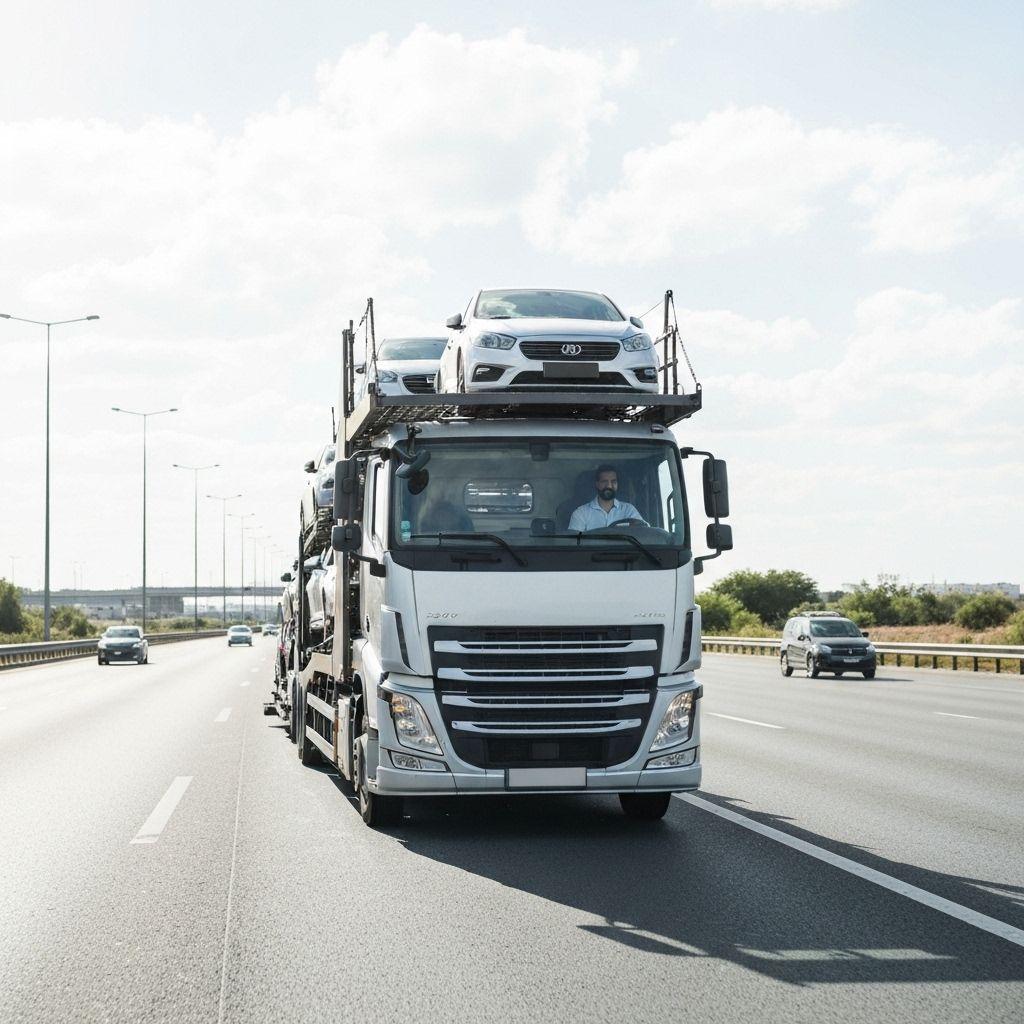
4. Transportation – Vehicle is shipped safely on an open or enclosed carrier.
5. Delivery & Final Inspection – Confirm vehicle condition upon arrival.
Tips for Saving Money on Car Shipping in West Virginia
- Book Early – Reserve in advance for better rates.
- Flexible Dates – Slight flexibility lowers costs.
- Use Open Carrier – Cost-effective for standard vehicles.
- Terminal-to-Terminal – Drop-off and pick-up at terminals in Charleston or Huntington saves money.
- Avoid Winter Peaks – Snow and bad weather can increase prices.
Popular Cities in West Virginia for Car Shipping
- Charleston – State capital, major transport hub.
- Huntington – Western hub near Ohio and Kentucky.
- Morgantown – College town with high student vehicle demand.
- Parkersburg – Central routes in Mid-Ohio Valley.
- Wheeling – Northern Panhandle city, convenient for PA and OH shipping.
Why Choose FastCarShip?
- 🚚 Fast Delivery – Optimized routes for timely shipments.
- 🛡 Insurance Coverage – Full protection for your vehicle.
- 👨✈️ Certified Drivers – Experienced, DOT-certified professionals.
- 📞 24/7 Customer Support – Assistance whenever needed.
- 💰 Transparent Pricing – Competitive rates, no hidden fees.
Conclusion
Whether moving within West Virginia or across the country, car shipping in West Virginia offers safety, efficiency, and peace of mind. Understanding costs, timelines, and transport methods ensures you make the best decisions.
🚗 Get your free instant quote today at FastCarShip.com!